Drawing from theories and methods of comparative politics and public policy, my core projects investigate how state institutions see and treat minority populations in administrative and judicial proceedings. Canada and Japan are at the centre of my work, two wealthy democracies that have taken very different approaches to immigration, citizenship, and multiculturalism. I currently ask:
Why do some wealthy democracies maintain generous or strict asylum policies despite pressures for change?
What explains support for hosting refugees?
To what extent do values shape immigration and citizenship policies?
Does secularism influence how judicial institutions treat religious minorities?
My first book, The Power of Discretion: How Bureaucratic Politics Shapes Asylum Policy, is under contract with University of Toronto Press. My articles appear in Political Psychology, Ethnic and Racial Studies, the Journal of Refugee Studies, the Canadian Journal of Political Science, Political Studies Review, Canadian Public Administration, and the Osgoode Hall Law Journal. My work has informed Canadian policy discussions, including evidence I submitted to the Senate on Bill C-12.
I use qualitative (archival work, interviews), quantitative and experimental methods.
Under advanced contract, University of Toronto Press. Supported by SSHRC, the Japan Foundation, and the Dr. David Chu Program in Asia Pacific Studies.
My first book project explores the puzzle of generous and strict asylum policy legacies by opening up the administrative black box of immigration hearings. Political science often explains immigration policy as a tug-of-war between expansionist lobby groups and restrictionist voters, prompting frequent refugee policy adjustments. Why do some liberal democracies maintain generous or strict asylum policies despite these pressures? Seminal studies argue that rights-enhancing rules limit political interference and lead officials to produce consistently higher recognition rates, presenting Canada as an exemplar. Others claim Japan’s low recognition rates reflect a xenophobic consensus among politicians, bureaucrats, and voters. Yet existing accounts are incomplete: institutionalist arguments conflate official autonomy with liberal outcomes, while ideational arguments treat elite consensus as a cause rather than an outcome of the administrative relationships that sustain it. Despite similar levels of autonomy and rights-enhancing reforms, Canada, Ireland, Japan, and South Korea produced radically different asylum policies — Canada granting refugee status to nearly 50% of applicants, Japan and South Korea rejecting over 95%, and Ireland’s rates rising from roughly 10% to over 20% under the same rules.
The Power of Discretion: How Bureaucratic Politics Shapes Asylum Policy, under contract with University of Toronto Press, explains the bureaucratic politics of asylum policy legacies based on 84 semi-structured interviews (~130 hours) with state officials and refugee advocates, cross-national data from the United Nations High Commissioner for Refugees (UNHCR), an original dataset of 180,000 plus Canadian asylum decisions, and four original survey experiments fielded in Japan. It demonstrates that executive discretion can be used to expand or restrict immigration policy. Politicians’ accumulated deference to bureaucrats as well as entrenched beliefs and practices make policy legacies resistant to political and legal change. Such institutional friction explains why asylum recognition rates both persist and diverge across otherwise similar liberal democracies. I argue that agency reputation determines how much discretionary authority politicians grant, and officials’ prior experiences engaging with immigrant populations shape whether they focus on controlling borders or protecting vulnerable migrants. Ultimately, it shows that even in the age of populism, the battle for immigration control is fought not only in the legislature and courts, but also in the quiet, enduring routines of the administrative state.
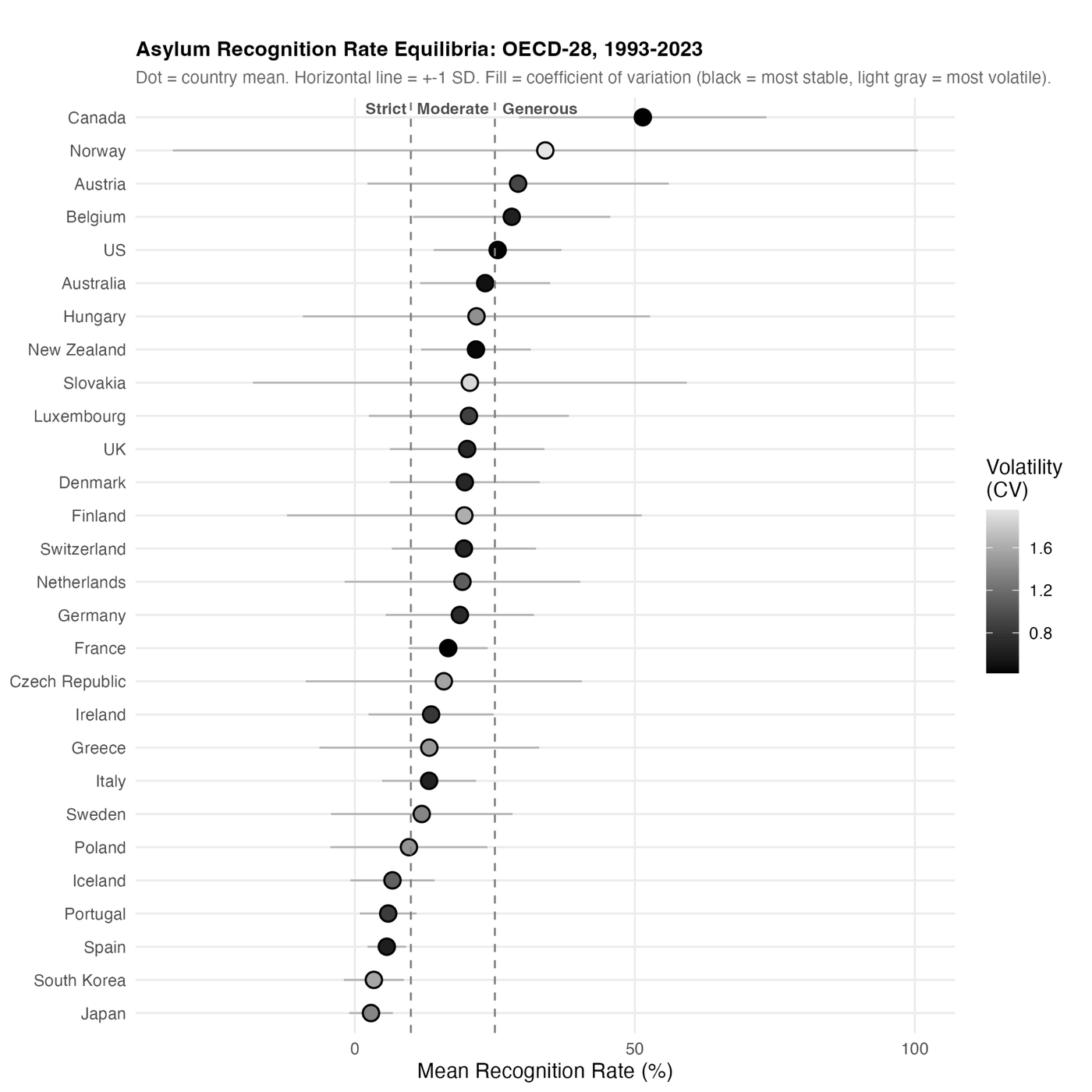
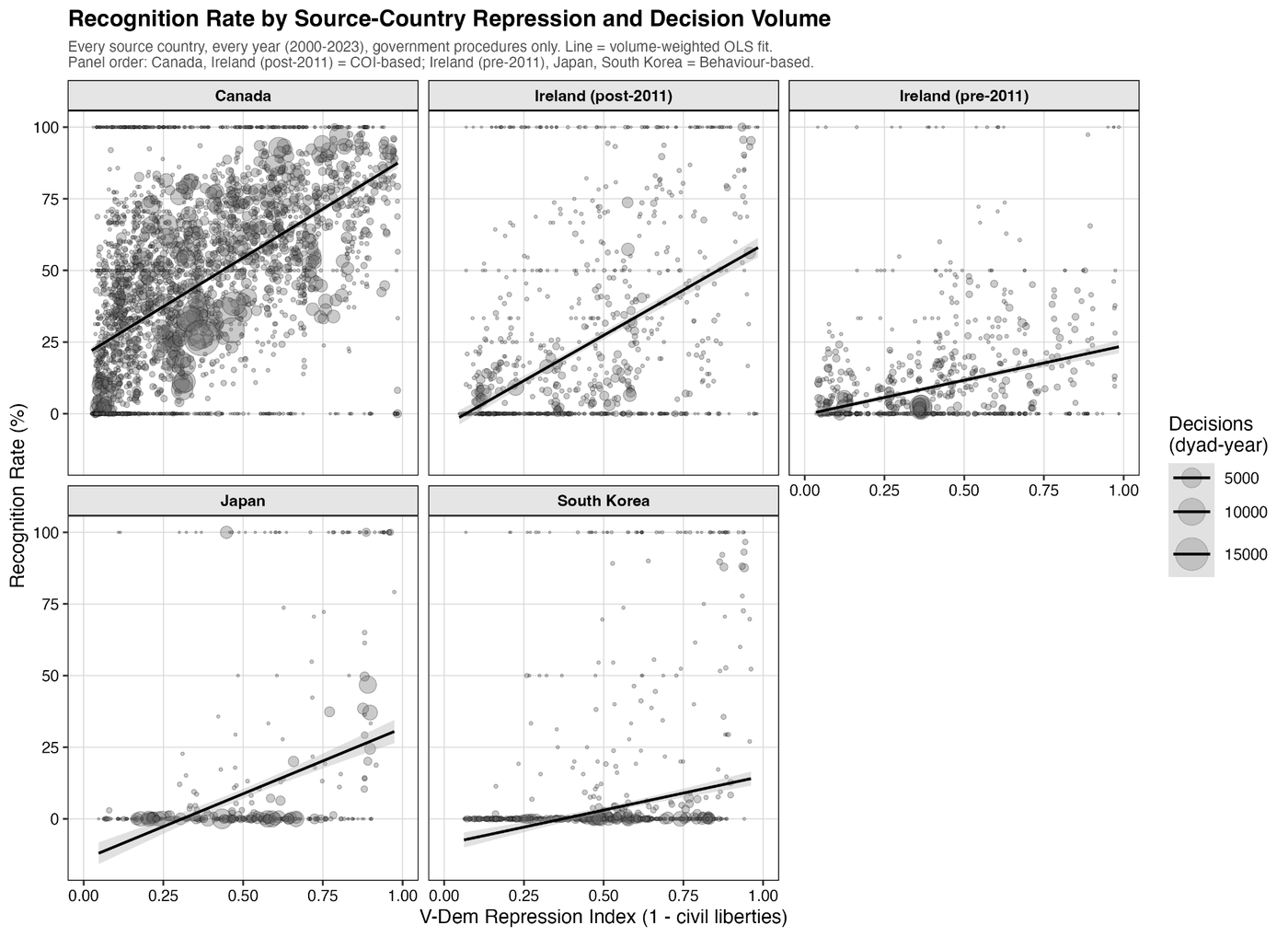
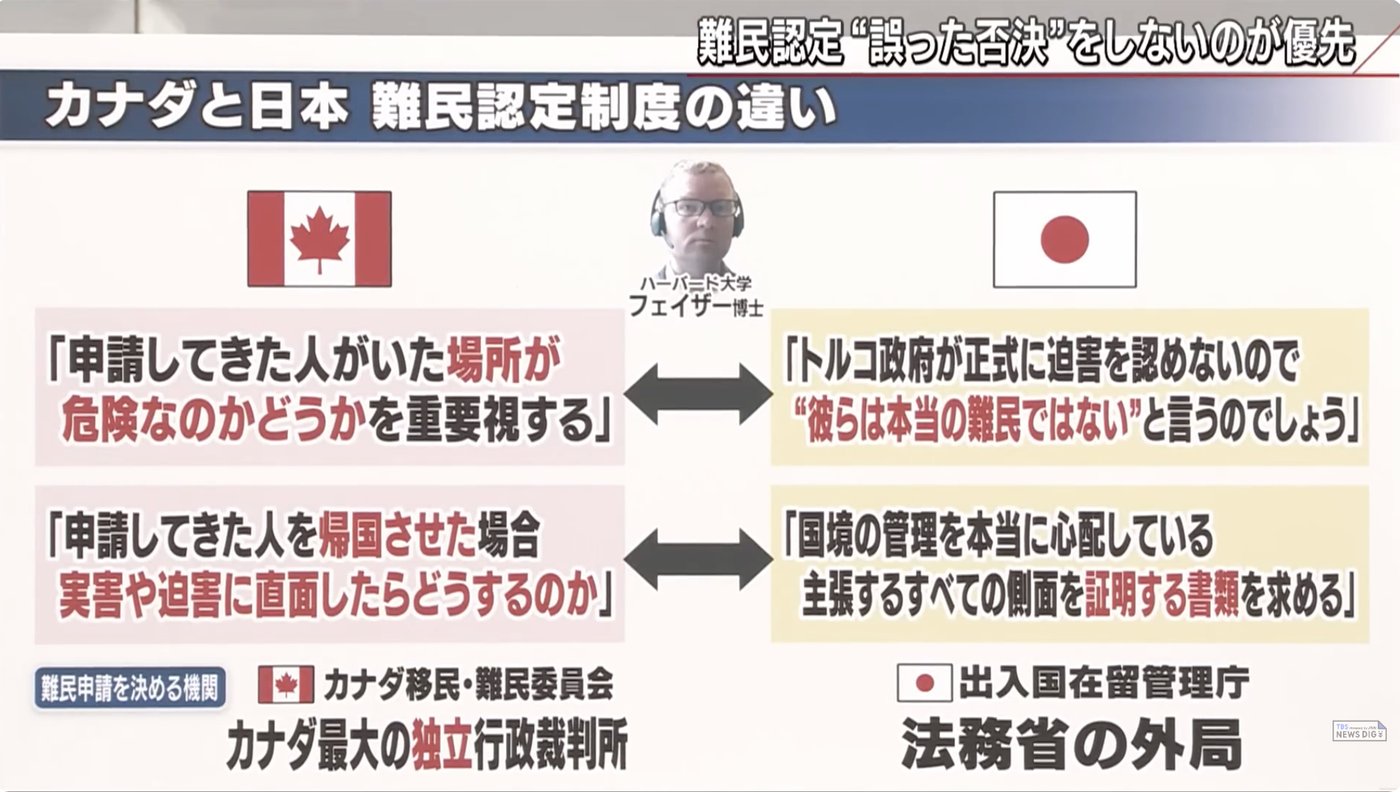
Asylum policy volatility and regime type, OECD-28, 1993–2023. Most host countries’ recognition rates swing between low and high over time; stable generous or strict equilibria are rare. Canada stays consistently high, while Japan, South Korea, Spain, and Portugal are the most stable strict regimes.Recognition rates by source-country repression and decision volume, 2000–2023. Recognition rises with repression in every host, but outcomes diverge by adjudication style: 48.3 percent of Canadian decisions were positive and 22.5 percent in Ireland after 2011, where adjudicators focus on country conditions, against 8.1 percent in Ireland before 2011, 8.4 percent in Japan, and 3.7 percent in South Korea, where they focus on applicants’ behaviour.On TBS NEWS DIG (May 17, 2023), contrasting how Canada and Japan decide refugee claims. In Canada, the Immigration and Refugee Board, Canada’s largest independent administrative tribunal, focuses on whether the place an applicant fled is dangerous, and asks what happens if a rejected claimant is sent home and faces harm or persecution. In Japan, the Immigration Services Agency, an external bureau of the Ministry of Justice, is concerned with border control and asks applicants for documents proving every aspect of their claim. Image: TBS NEWS DIG.
Key findings featured on primetime Japanese TV news, TBS NEWS DIG (May 17, 2023).
In progress. SSHRC Insight Development Grant, 2024–2027.
My second book project (in collaboration with Colton Fehr) turns from administrative to judicial hearings, asking whether the procedural forms of common law courts systematically disadvantage religious minorities in their access to justice. To date, few studies on judicial affairs in Canada or other jurisdictions have empirically tested the degree to which religious symbols induce bias among judges or jurors. This topic is particularly relevant given recent litigation in Canada suggesting that legal decision-makers may be prone to discriminating against non-Christian religious minorities. Combining insights from psychology, political science, and law, this project uses novel video-based mock jury experiments delivered through surveys to investigate the impact of religious symbols in courtrooms. Supported by an Insight Development Grant (IDG) of approximately $59,262 (CDN) from SSHRC’s Law and Criminology Committee, ranking in the top three of all applications, this multi-wave experimental study shows that the local politics of secularism divides Canadian jurors who interpret the same religious oaths differently depending on how they interpret them.
Peer-reviewed publications
2025. Osgoode Hall Law Journal 61(3): 773–809.
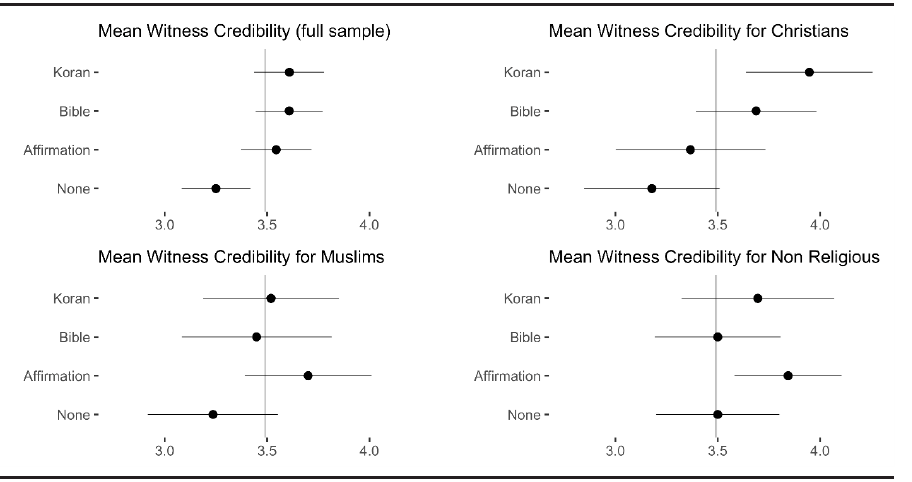
Mock jury studies investigating the impact of religious symbols on jurors have produced conflicting findings, raising questions about how religious bias should be studied in judicial settings. Our study adds to the literature in three ways. First, we develop a clear theoretical framework which identifies dispositional and situational triggers allowing researchers to more precisely define and measure religiously motivated bias. Second, we show that mock jury experiments with video-based treatments simulating audio-visual cues are more likely to produce reliable findings relative to text-based studies. Third, we present the first empirical evidence of how mock jurors react to courtroom oaths. Our analysis suggests jurors may be prone to trust witnesses who give religious oaths, and this could vary by degree of religiosity and religious group affiliation. These findings shed light on debates concerning whether witnesses should be permitted to swear religious oaths, wear religious garb, or testify about their religious beliefs.
Mean credibility ratings of the same witness giving no oath, an affirmation, a Bible oath, or a Quran oath, for the full sample and for Christian, Muslim, and non-religious mock jurors. Witnesses who took no oath received the lowest ratings in the full sample, and ratings vary with jurors’ own religious affiliation.
2024. Canadian Journal of Political Science 57(2): 231–253.
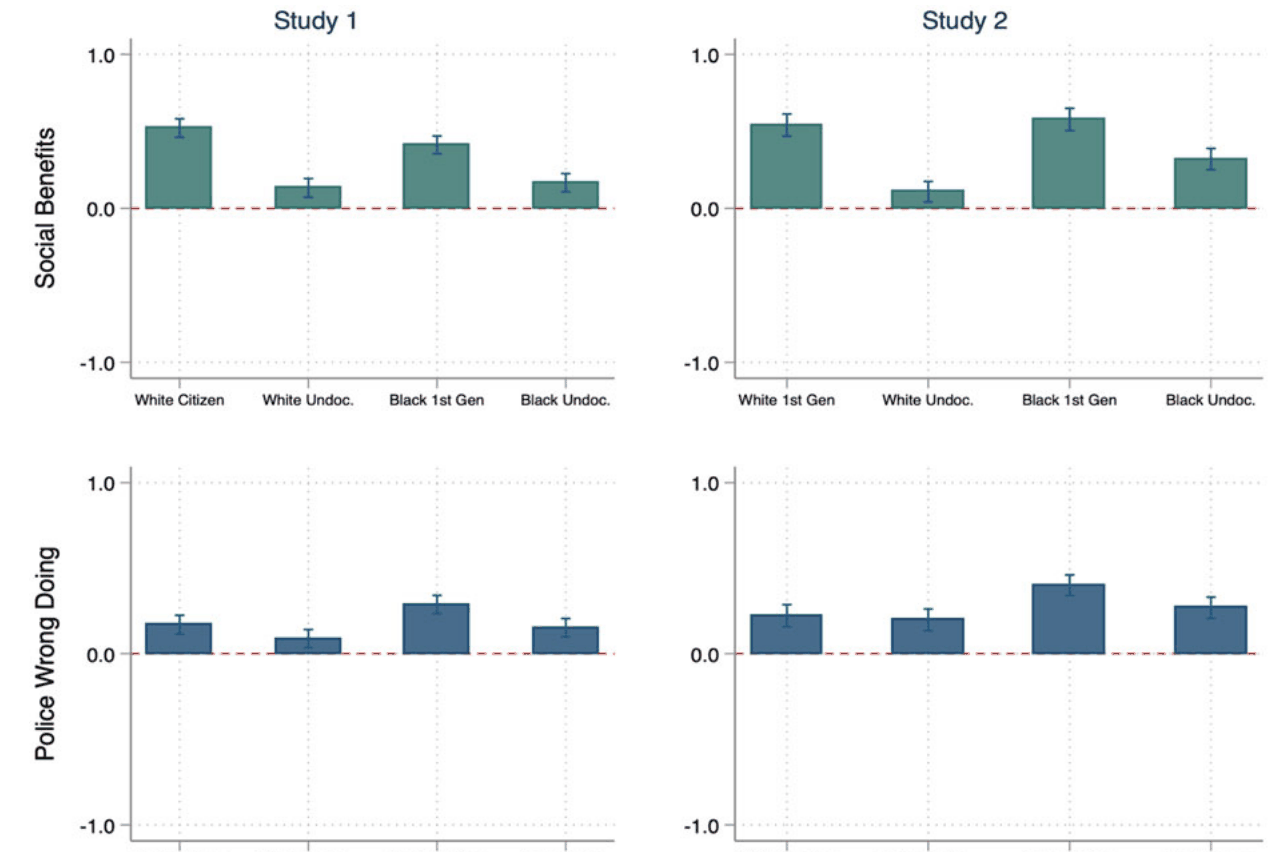
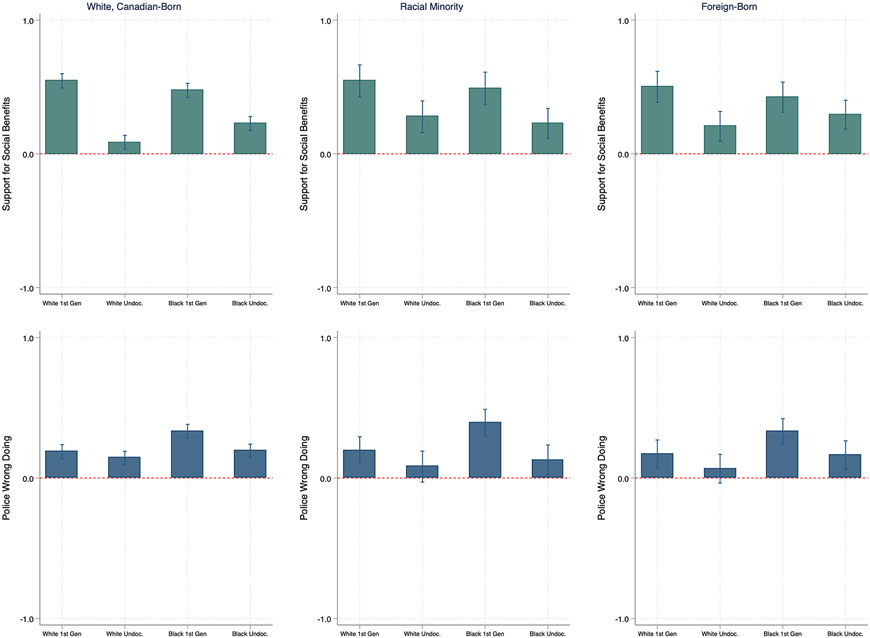
Liberal democracies are expected to provide residents with both negative rights, such as limitations against the abuse of police powers, and some range of positive (social) rights, such as access to social benefits. These rights are commonly deemed to apply equally, without respect to individuals’ ascriptive backgrounds. Existing research, often in the US context and focused on social programs, shows both support for abstract rights and group-specific prejudices. We interrogate whether similar patterns exist in Canada and innovate by directly examining negative and positive rights in the same study. Using a series of novel survey experiments, we demonstrate the degree to which categorical inequalities based on race and legal status affect public support for rights provision in Canada. Both rights are more recognized for citizens relative to out-of-status migrants, and legal status at times interacts with racialized minority status. Rights appear far from universal in the minds of Canadians.
Predicted agreement, from −1 (strongly disagree) to 1 (strongly agree), that the person described should receive social benefits (top) and protection from police wrongdoing (bottom), by race and legal status, across two survey experiments. Support is lowest for undocumented migrants, especially for social benefits.The same predicted agreement, broken down by respondent background: White Canadian-born, racial minority, and foreign-born respondents. The pattern is similar across all three groups, with the lowest support for social benefits going to undocumented migrants.
2024. Telematics and Informatics Reports 14: 100141.
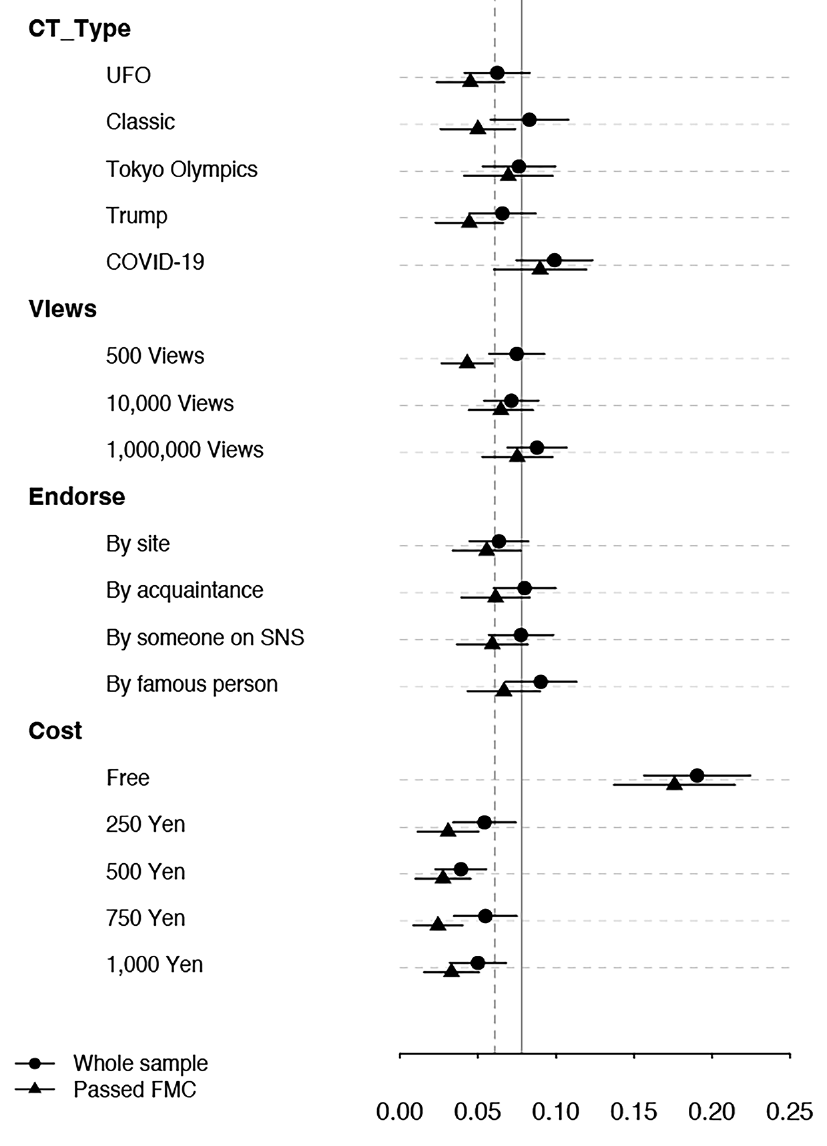
Many studies have examined why people believe in conspiracy theories, yet less is known about why people choose to consume conspiratorial content. This study addresses this gap by examining people’s willingness to pay for online conspiracy theory content. Grounded in uses and gratifications theory and the willingness to pay concept, it employs a survey experiment fielded in Japan (n = 1,448) that asks respondents whether they would subscribe to a hypothetical online video channel with a randomly assigned conspiracy theory and a monthly subscription fee (0 to 1,000 JPY/~9 USD). Results show that while many respondents held varying degrees of belief in the conspiracy theories in question, few were willing to pay for the channel and cost was the main determining factor. The subscription rate would drop from 19 % if the channel was free to 3–5 % if it had a non-zero subscription fee (average 324 JPY/~3 USD). This study also finds that conspiracy mentality and media diet (the combination of using social media for news and avoiding mainstream media news) are consistent predictors of people’s willingness to subscribe to and pay for online conspiracy theory content.
Marginal means of willingness to subscribe across the attributes of a hypothetical online video channel: conspiracy theory type, view count, endorsement, and monthly cost. Only cost made a clear difference: subscriptions were highest when the channel was free.
2023. Political Studies Review 21(4): 801–824. 2024 Best Article Award, APSA Citizenship and Migration Section.
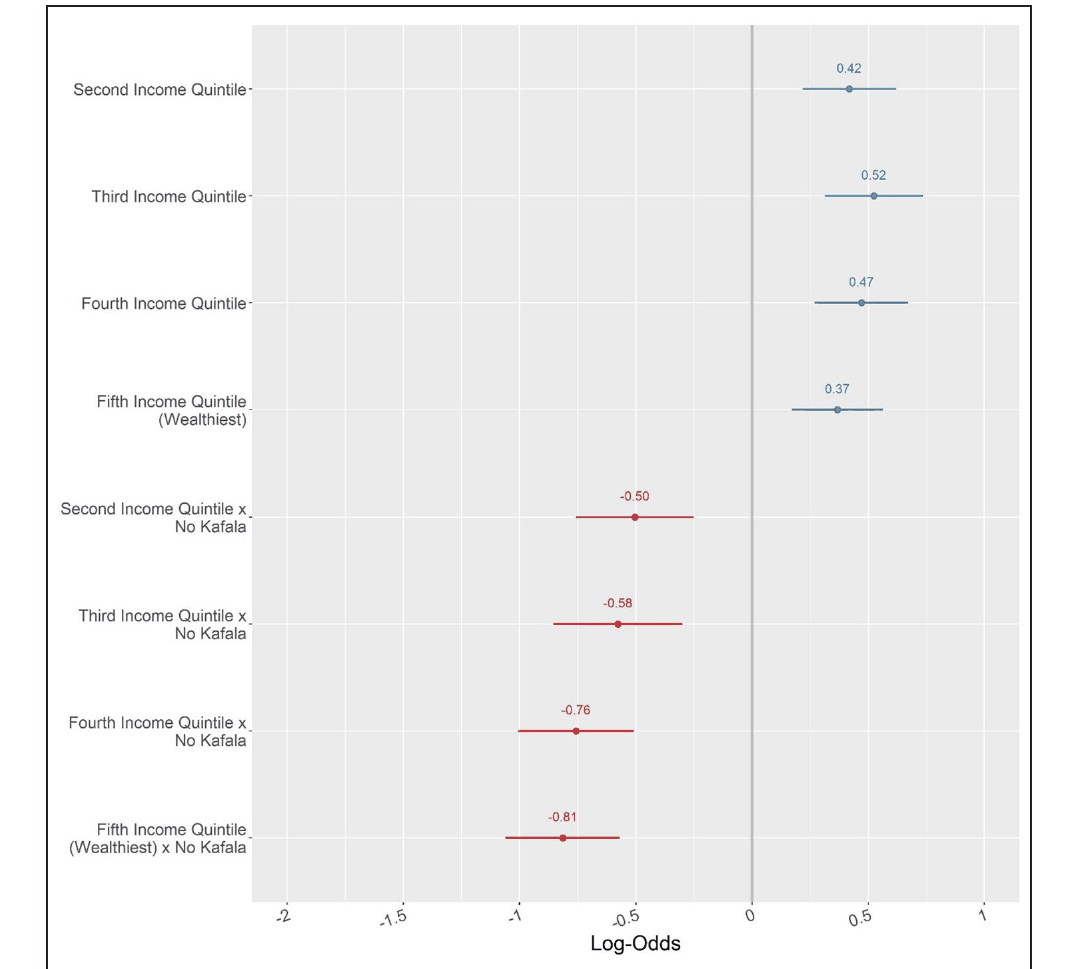
Existing studies argue that anti-immigrant sentiment stems from threat perception. Yet, conventional theoretical approaches cannot fully explain hostility toward immigrants in the Middle East and North Africa, where low-skilled foreign workers occupy an inferior social and legal status vis-a-vis natives under the kafala system. Building on existing studies of immigration politics, we theorize how immigration policies can either facilitate or prevent the social mobility of foreign workers. Exploring immigration attitudes in 14 Middle East and North Africa countries using an original dataset that matches survey responses with host country-specific factors, we find that extreme rights-restricting immigration policies (such as the kafala system) encourage wealthier natives to be more hostile than their lower-class counterparts. Our study suggests that anti-immigrant sentiment is context-specific and influenced by local institutions.
Coefficients (log-odds) predicting hostility toward immigrants and guest workers across 14 Middle East and North Africa countries. Wealthier respondents are more hostile where the kafala system applies (blue), while the interaction terms for non-kafala countries (red) are negative, reversing that pattern.
2022. Canadian Public Administration 65(4): 647–666.
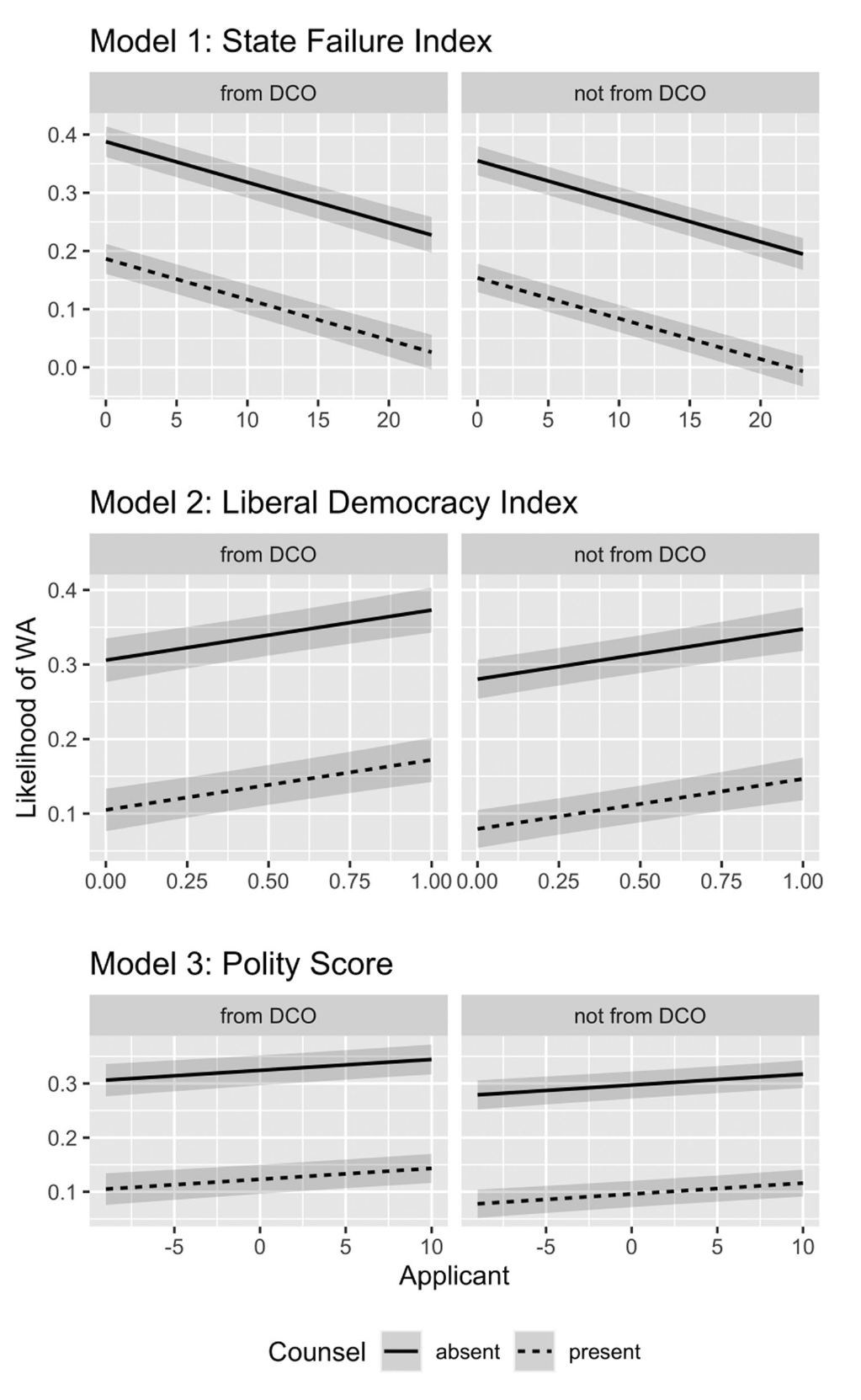
For years, Canadian refugee status determination (RSD) procedures have faced significant administrative capacity issues. Arguing that the RSD system was attracting “unfounded” claims and becoming inefficient, the Harper government pursued rights-restrictive reforms. Is there a connection between applicants' procedural rights and the efficiency of Canadian RSD? This article outlines and empirically tests arguments for and against restricting refugee applicants' procedural rights to enhance efficiency. Examining macro-level trends in applications and micro-level adjudicator-specific routines, it presents evidence against the notion that rights-restrictive measures save adjudicators time. The article also shows that procedural rights can foster efficient RSD practices when applicants and adjudicators have access to competent legal counsel.
Predicted likelihood that a refugee claim is withdrawn or abandoned, by conditions in the claimant’s country of origin (state failure, liberal democracy, and polity score) and by whether the claimant came from a Designated Country of Origin. Across all three models, claimants without counsel (solid lines) are far more likely to withdraw or abandon their claims than claimants with counsel (dashed lines).
2022. Ethnic and Racial Studies 45(14): 2678–2704.
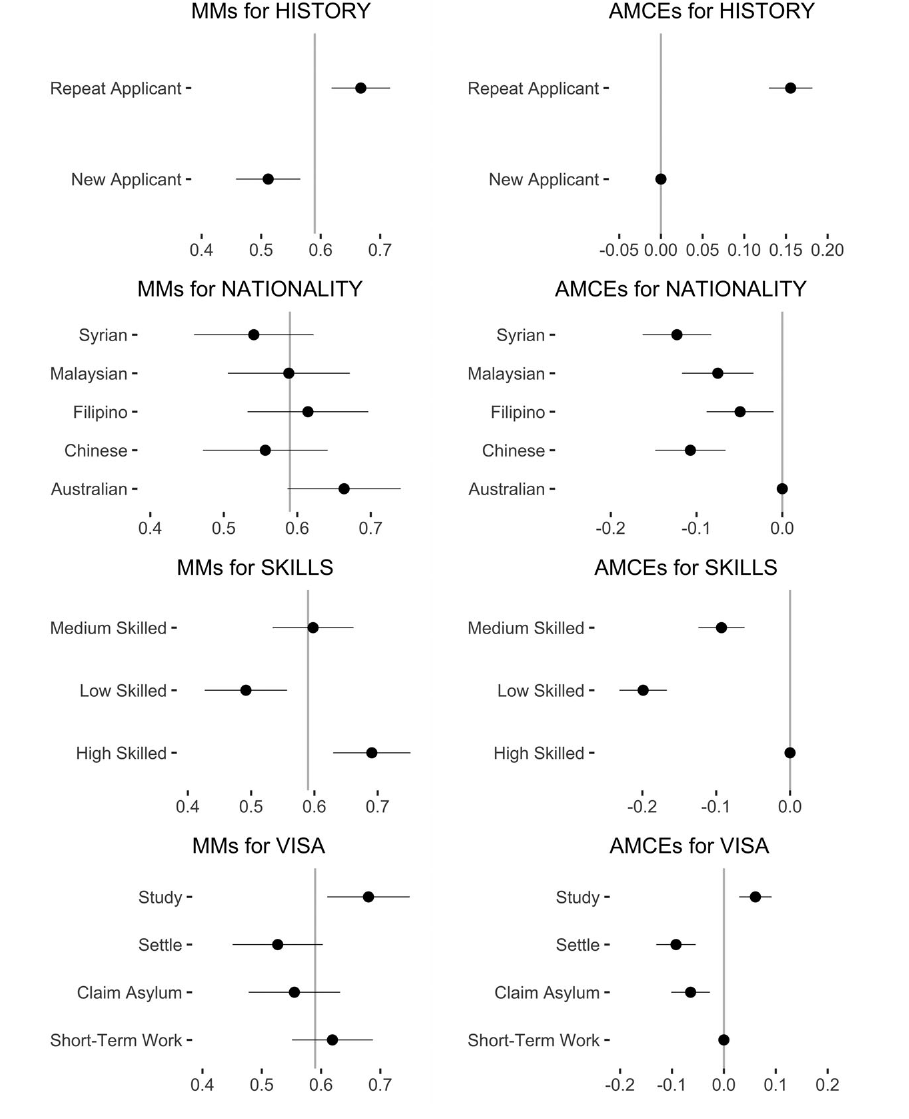
Does public support for immigration depend on race? One set of literature argues that natives focus on reaping economic benefits and prefer to admit high skilled immigrants. Yet, a second group of studies challenges the notion that natives evaluate skills in a race-neutral fashion. Recent qualitative work argues that natives socially construct the value of foreign workers’ skills. Furthermore, recent experimental studies find that Americans and Europeans prefer immigrants from developed White-majority countries. Do these findings reflect a general preference for White immigrants which also shapes immigration attitudes in non-western countries? Our study explores this question using a survey experiment fielded in Japan at a time when that country was grappling with economic pressures to admit more immigrants. Consistent with the social construction of skills literature, we find that Japanese unevenly apply skill requirements to prospective immigrants based on nationality but that they do not necessarily prefer White immigrants.
Marginal means and average marginal component effects from a conjoint experiment in which Japanese respondents evaluated prospective immigrants who varied by immigration history, nationality, skill level, and visa type. Respondents favoured high-skilled and repeat applicants, and their preferences varied by nationality.
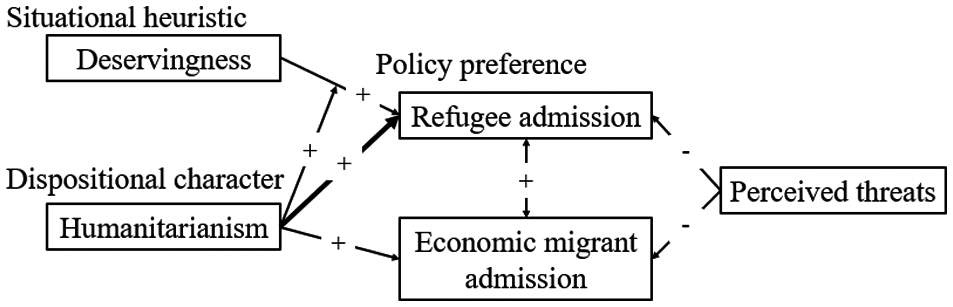
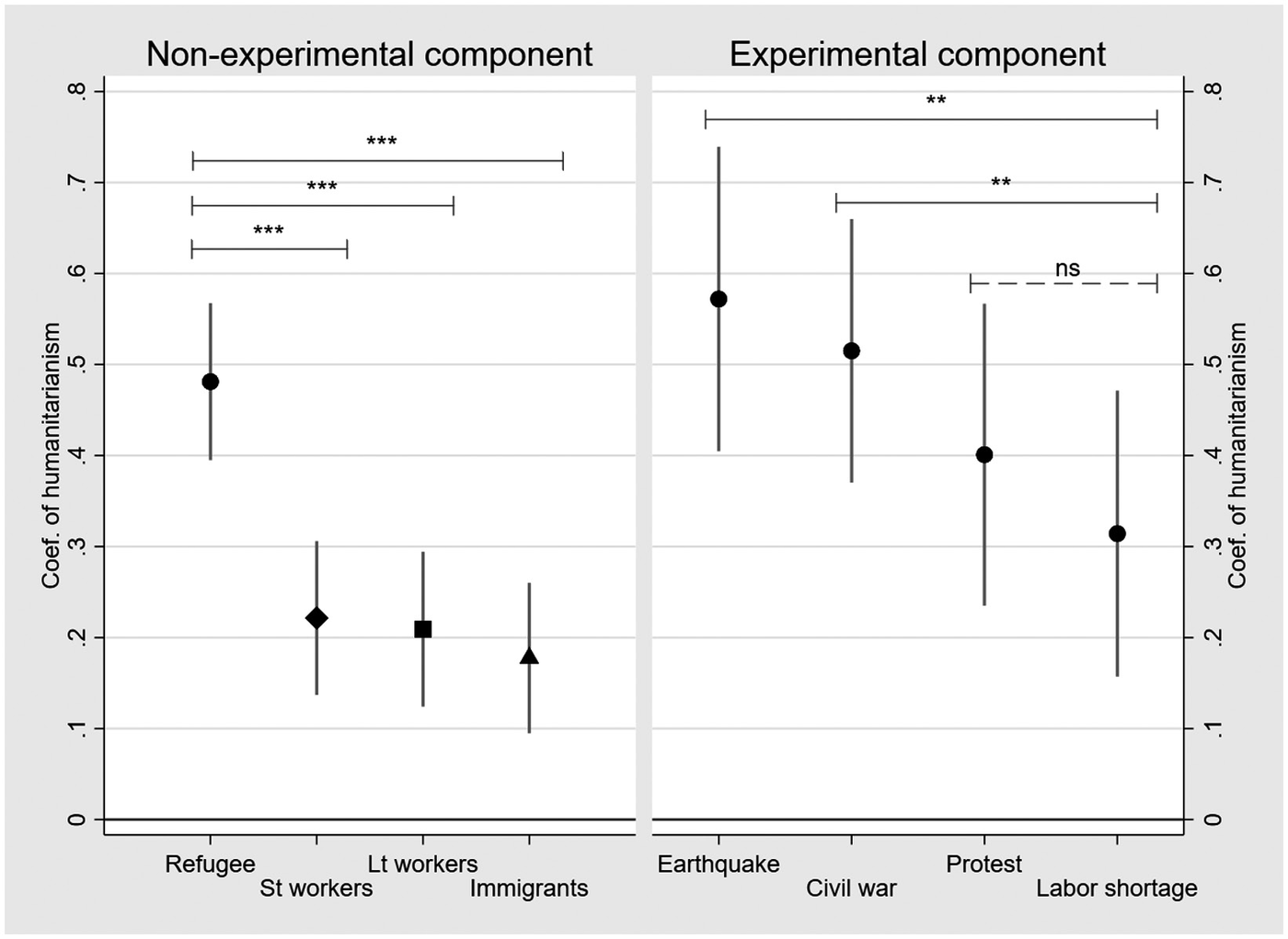
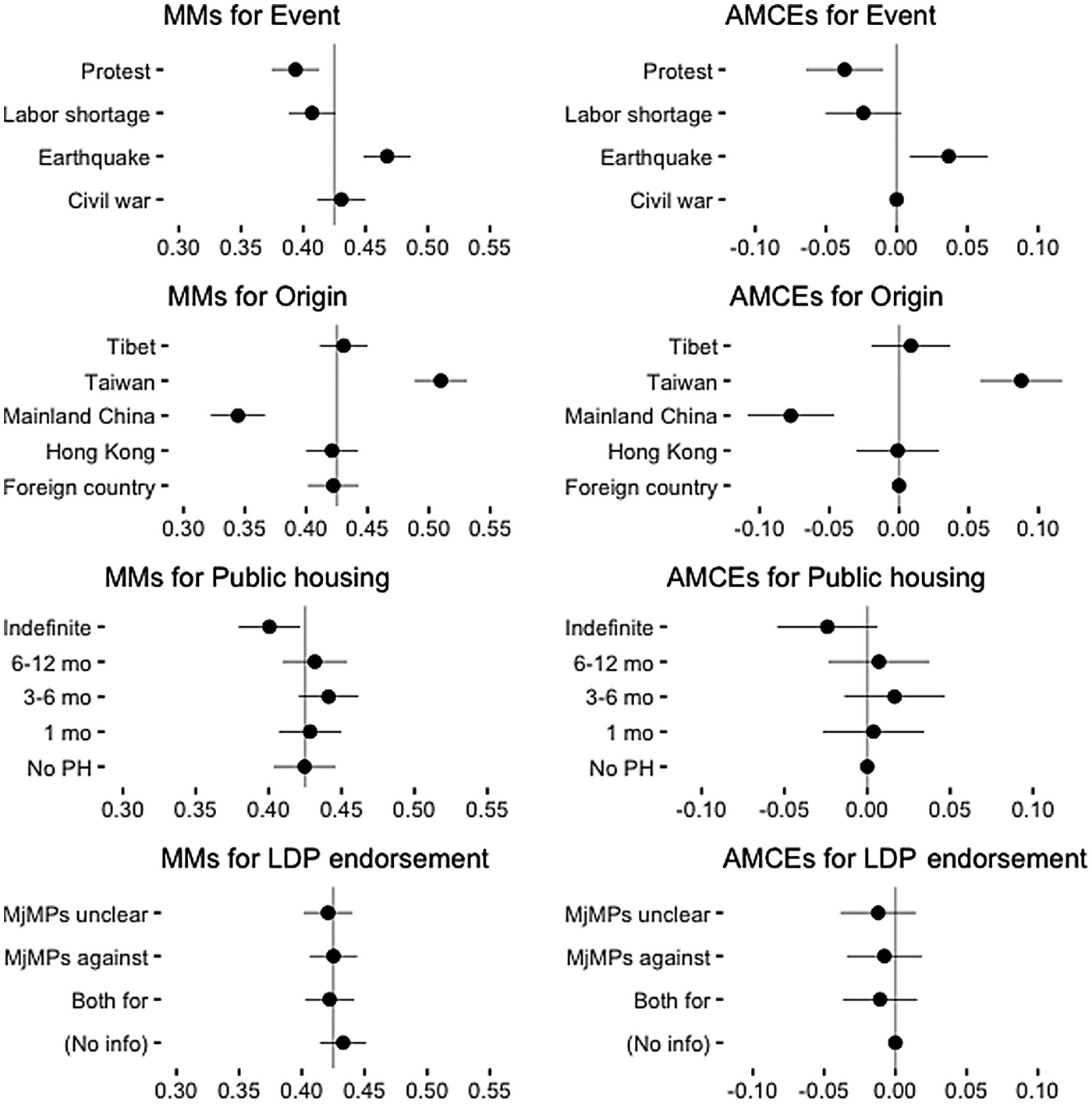
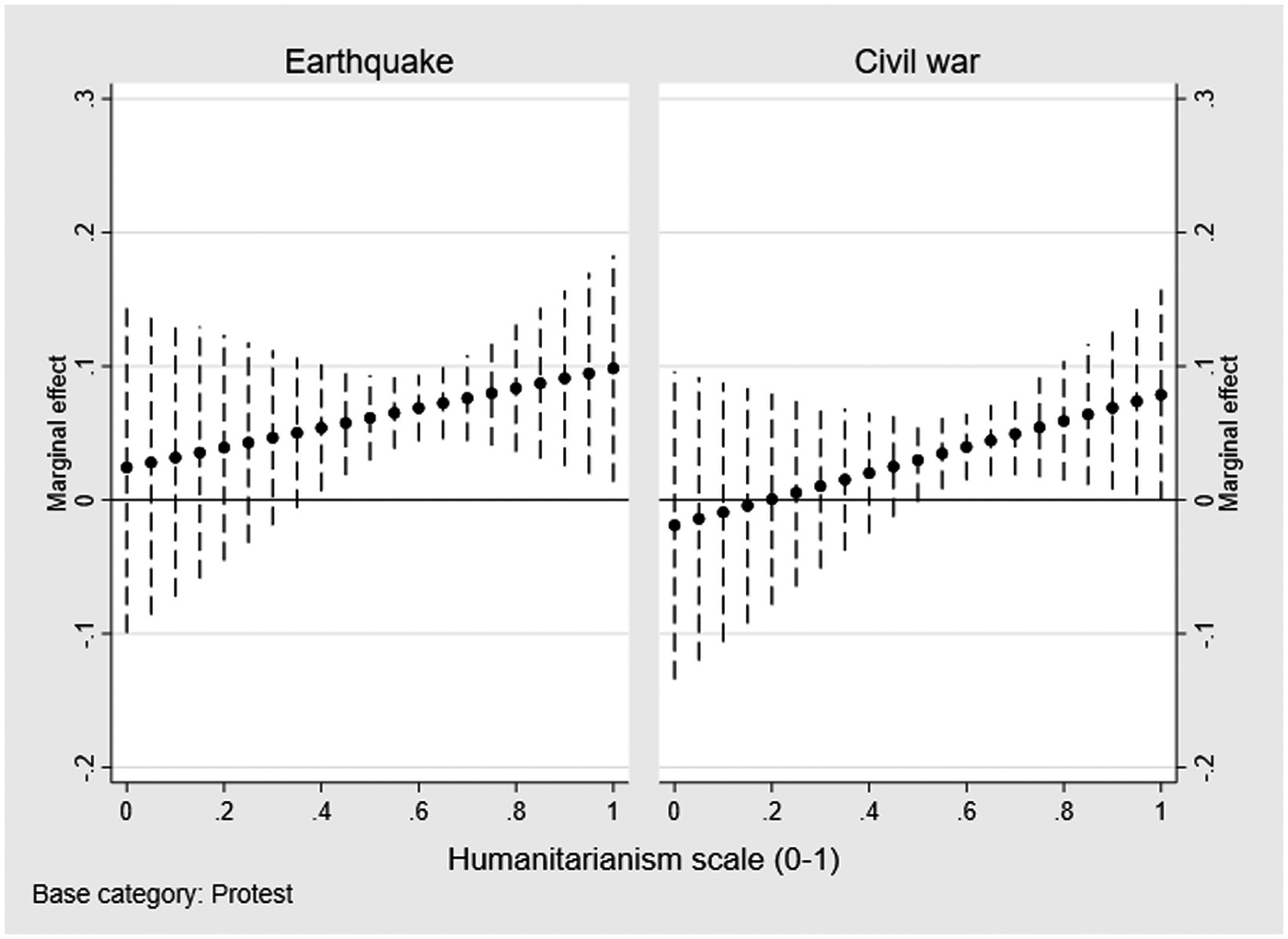
Most studies that explore attitudes towards immigration conceptualize immigrants as economic migrants. The limitation of this approach is that it emphasizes economic costs and benefits while ignoring the humanitarian logic that forms the basis of refugee admission. To date, few studies have developed and tested theories that explain public support for admitting humanitarian migrants. Our article fills this gap. We argue that dispositional and situational triggers related to humanitarianism shape public attitudes towards refugees: When natives are predisposed to help others in need (humanitarianism) and/or refugees are seen to be victims of randomly occurring events, the public is more likely to support refugee admission. We test this theory using observational and experimental data from a country that accepts few resettlement refugees, Japan. Our study uses a rating-based conjoint which randomized crisis event, place of origin, access to public housing, and degree of political support for receiving refugees. We find that humanitarianism predicts public support for admitting refugees more strongly than it predicts support for economic migrants. Moreover, we show that people with a higher level of humanitarianism prefer to admit refugees who flee natural disasters and wars as opposed to those who escape from political repression.
Our theoretical model of humanitarian deservingness. Humanitarianism, a dispositional trait, raises support for admitting refugees and economic migrants, and its effect on refugee admission is strengthened by situational cues about deservingness. Perceived threats lower support for both.Effect of humanitarianism on support for admission. Left: in the survey questions, humanitarianism predicts support for refugees much more strongly than for short-term workers, long-term workers, or immigrants. Right: in the experiment, its effect is larger for people fleeing an earthquake or civil war than for those leaving because of a labour shortage.Conjoint results: marginal means (left) and average marginal component effects (right) of each attribute on support for admission. Respondents favour people fleeing an earthquake over those fleeing a protest, and people from Taiwan over people from mainland China; indefinite public housing lowers support, and LDP endorsement makes little difference.Marginal effect of a refugee fleeing an earthquake or a civil war, relative to fleeing a protest, on support for admission, across the humanitarianism scale. The effect grows as respondents’ humanitarianism increases.
2022. Journal of Refugee Studies 35(3): 1364–1385.
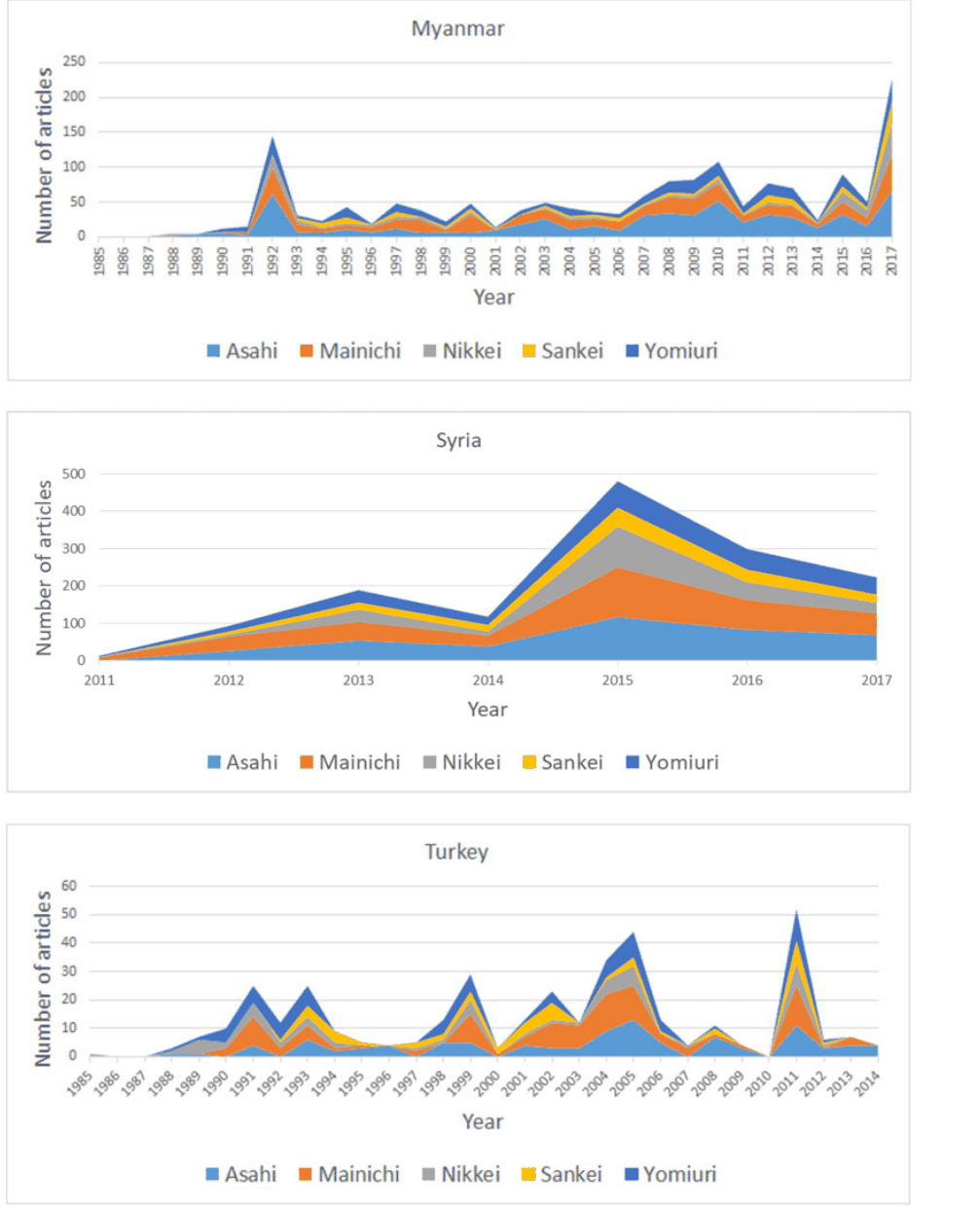
Several studies of western countries link negative media stereotyping of refugees to support for restrictive policies. However, less is known about Japan, an Asian country that has been widely criticized for its strict refugee policy. Our study addresses this gap by exploring, first, trends in Japanese news media coverage of different refugee populations and second, whether left-leaning news outlets cover refugees differently than right-leaning ones. Using quantitative deductive frame analysis of 3372 Japanese newspaper articles published between 1985 and 2017, we find that despite some consistency in the frequency with which certain frames appear, media coverage reflects contextual differences of specific refugee populations. The results also show that Japanese newspapers generally use sympathetic frames at higher frequencies than negative ones and left-leaning newspapers cover refugees more often and more sympathetically than right-leaning newspapers. Our findings suggest that there may be no direct linkage between negative media coverage and strict policies in host countries with small and less publicly visible refugee populations, such as Japan.
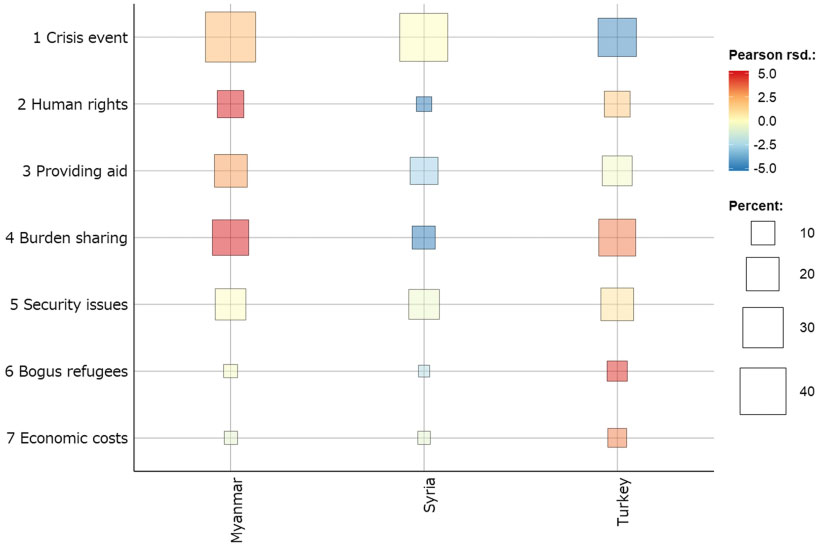
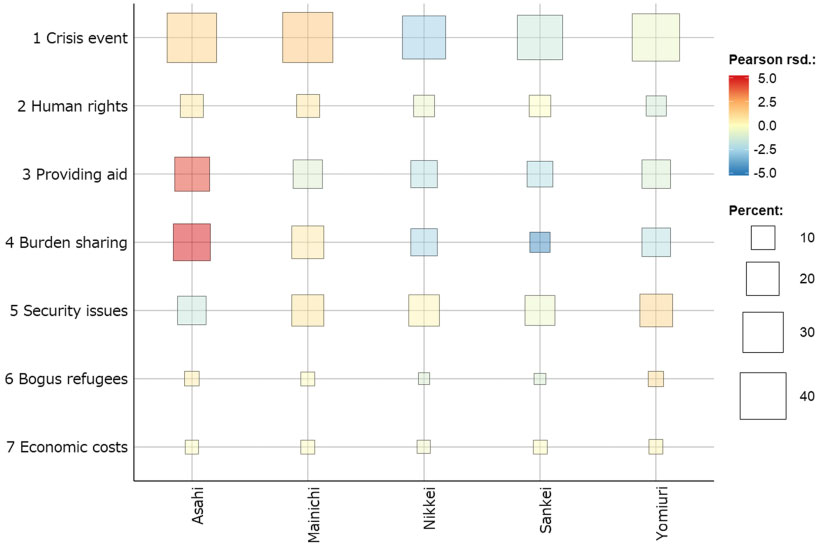
Annual number of articles about refugees from Myanmar, Syria, and Turkey in five major Japanese newspapers (Asahi, Mainichi, Nikkei, Sankei, and Yomiuri). Coverage rises sharply around major events in each country, such as the 2015 peak for Syria.News frames by refugee population. Square size shows the share of articles using each frame; colour shows Pearson residuals (red = more often than expected, blue = less often). Coverage of refugees from Myanmar leans toward human rights and burden sharing, coverage of refugees from Turkey is more likely to include the “bogus refugees” and economic-cost frames, and coverage of Syrian refugees is mostly descriptive crisis reporting.News frames by newspaper, using the same encoding. Asahi uses the providing-aid and burden-sharing frames more often than expected, while Sankei uses burden sharing less often.
2013. Social Science Japan Journal 16(2): 211–234.
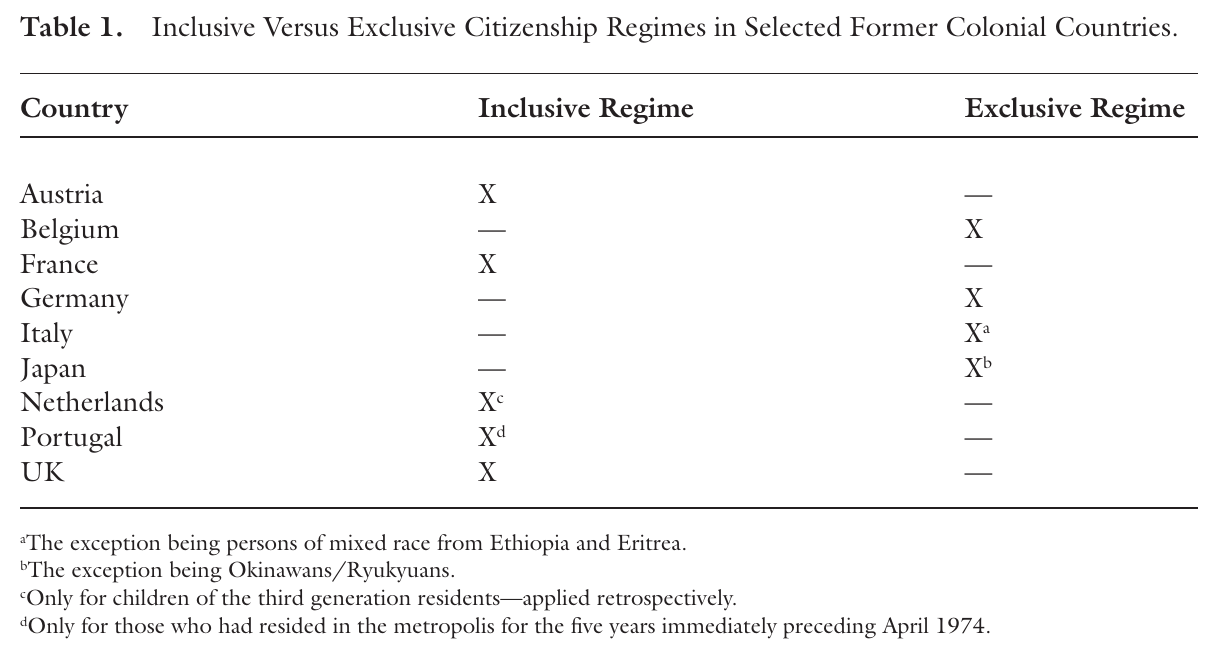
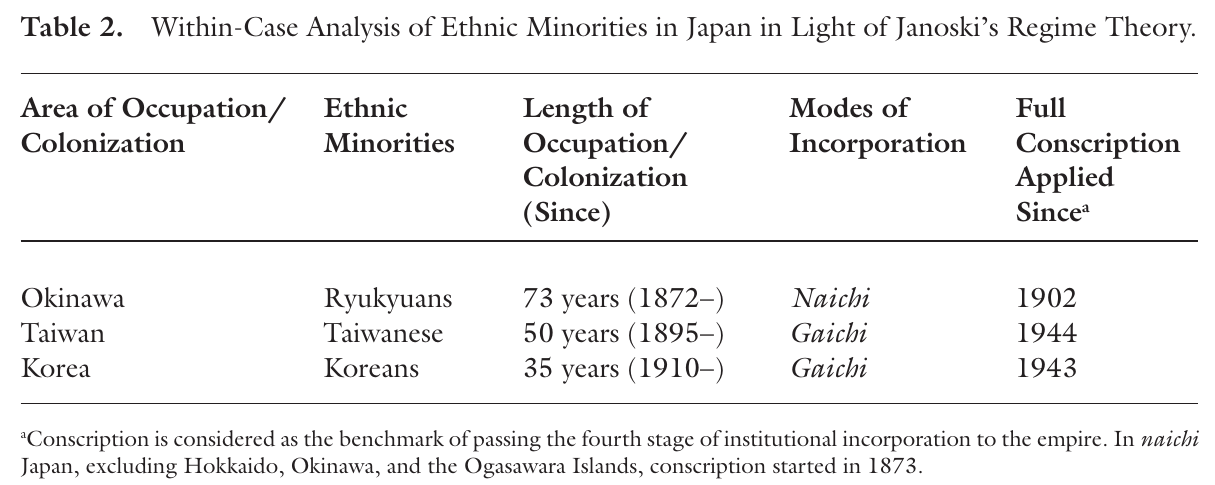
Upon dissolution of modern empires, post-imperial states came to different decisions about the legal status to be assigned to residents from their former colonies. Some states preserved their de facto citizenship rights, whereas other states excluded them from the new polity. Japan opted for the latter. It instituted an exclusive citizenship regime, turning (most of) its former colonial residents into foreigners. With an eye on the comparative context, this paper examines this postwar process of policymaking in light of two relevant theories—Rogers Brubaker’s ideational theory and Thomas Janoski’s regime theory. Its findings support Janoski’s approach: the degree of incorporation of former colonial subjects explains Japan’s decision better. However, the paper also argues that the exclusion of Taiwanese and particularly Korean residents was not simply determined by their inadequate institutional integration but occurred rather because they were judged to pose a security threat.
Citizenship regimes adopted for former colonial subjects living in the metropole after the end of empire. Austria, France, the Netherlands, Portugal, and the UK adopted inclusive regimes; Belgium, Germany, Italy, and Japan adopted exclusive ones.Within Japan, the length of colonial rule and the timing of full conscription line up with how each group was incorporated: Ryukyuans as naichi subjects, Taiwanese and Koreans as gaichi subjects.
Fraser, Nicholas A. R. “Searching for the ‘Xenophobic Consensus’: Examining Japanese Voters’ Support for Refugee Policy.” Invited submission, edited volume of Asia-Pacific Journal: Japan Focus.
Denney, Steven, Nicholas A. R. Fraser, and Christoph Steinhardt. “Cues of Commitment: Integration and Naturalization Support in South Korea and Taiwan.” British Journal of Political Science.
In preparation (currently revising)
Fraser, Nicholas A. R. “Institutional Friction: Bureaucratic Culture and the Limits of Political Control in Immigration Policy.”
Fraser, Nicholas A. R., and Go Murakami. “The Dissident Penalty: Why the Public Penalizes Political Agency in Refugee Admissions.”
Working papers
Fraser, Nicholas A. R., and Colton Fehr. “Rituals of Trust? How Courtroom Oaths Trigger Cognitive Bias and Compromise Legal Decision-Making.”
Murakami, Go, and Nicholas A. R. Fraser. “Accepting Them Hurts Our Bargaining Power: Diplomatic Relations and Attitudes Toward Immigration.”
Fraser, Nicholas A. R., Yujin Woo, George Soroka, and Go Murakami. “Public Support for Refugee Admission in Civic and Ethnic Nations.”
Fraser, Nicholas A. R. “The Limits of Deterrence: Predicting Efficiency in Canadian RSD Procedures.”
Bill C-12 and Canada’s asylum system
In February 2026, I submitted evidence to the Standing Senate Committee on Social Affairs, Science and Technology on Bill C-12, the Strengthening Canada’s Immigration System and Borders Act. The bill’s restrictive measures, including a one-year filing bar and a 14-day rule for irregular entries, assumed that limiting procedural rights would deter unfounded claims and reduce backlogs.
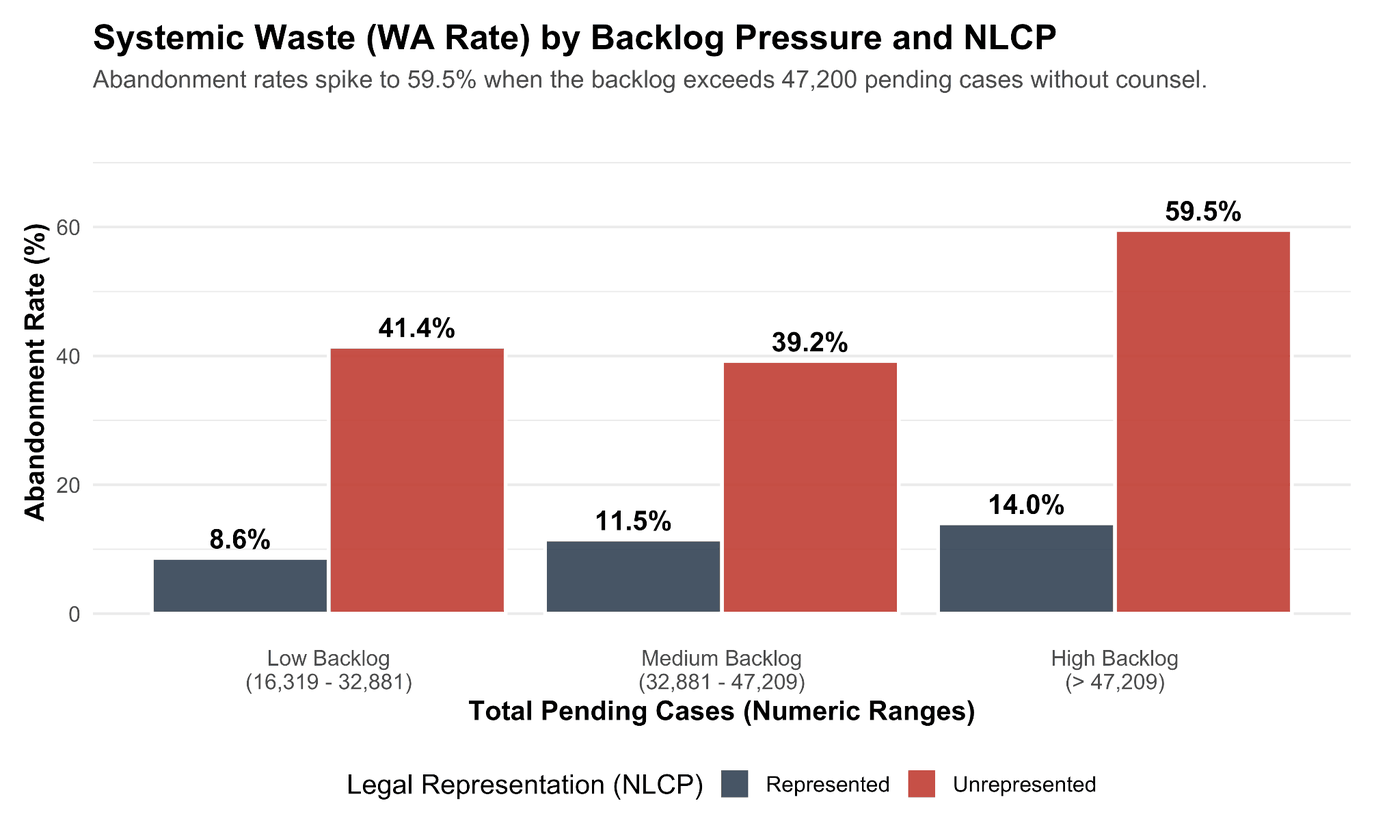
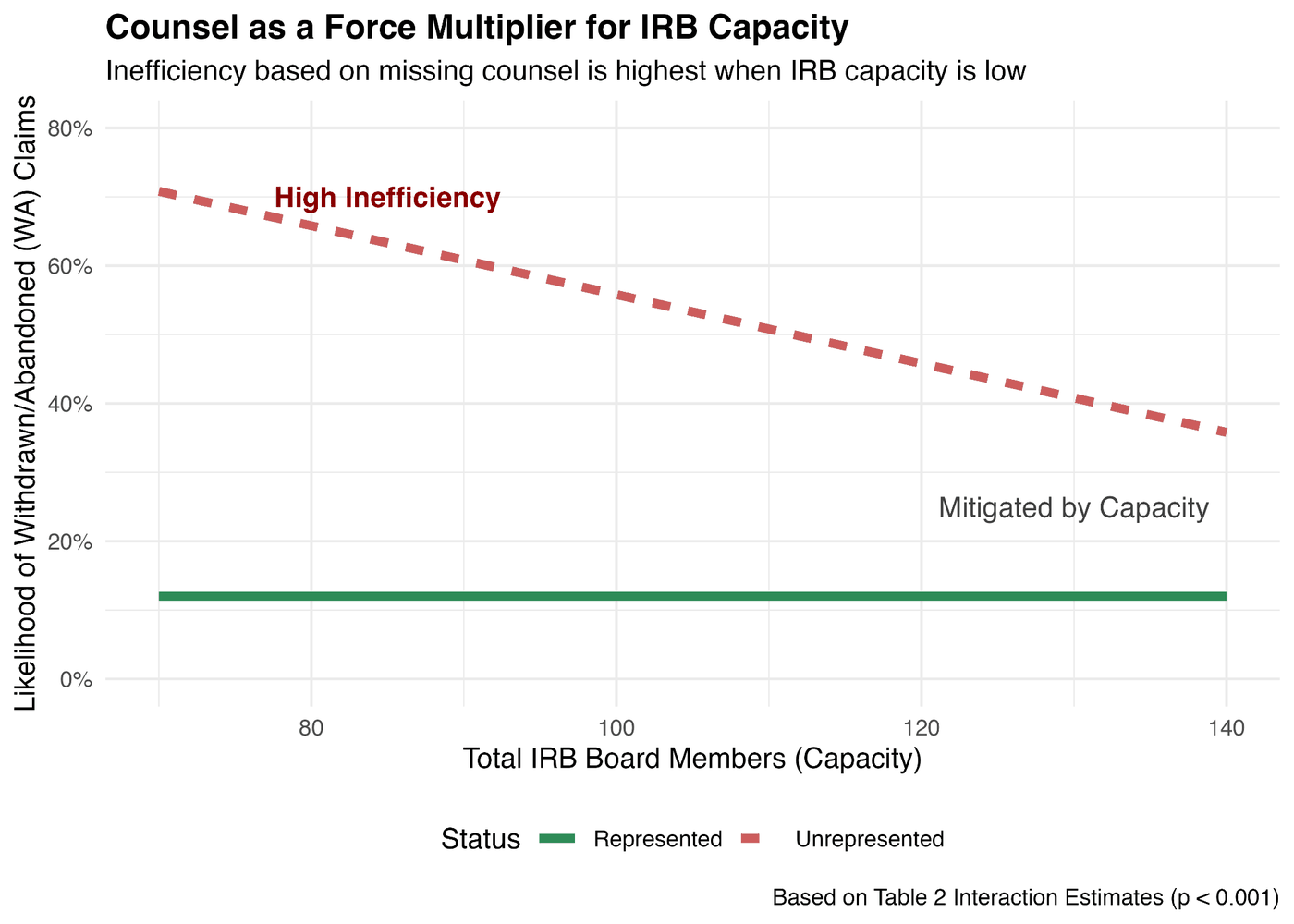
Building on my Canadian Public Administration article, I audited 178,873 refugee claims decided by the Immigration and Refugee Board between 2006 and 2017. Restrictive measures did not reduce the share of claims that were withdrawn or abandoned. Claimants without counsel were far more likely to drop out of the process, especially when backlogs were high.
The committee subsequently recommended deleting the bill’s immigration measures. The Act received Royal Assent in March 2026 with a mandatory five-year review. I summarized the evidence for a general audience in The Conversation.
Share of claims withdrawn or abandoned, by backlog size and legal representation. Technical Annex to the Senate, February 11, 2026.Predicted share of withdrawn or abandoned claims by number of IRB members, for represented and unrepresented claimants. Technical Audit, February 11, 2026.
Fall 2022Japan and Globalization (GOV 94), Harvard University. Designed and taught; covered trade, security, immigration, and human rights.
Summer 2019Courts and Politics (POL 378), University of Toronto. Co-taught with Faisal Kamal.
2014–2020Teaching assistant, University of Toronto: Introduction to Political Science, Introduction to American Politics, Introduction to Canadian Politics, Japanese Politics, Comparative Public Policy, and Ethnic Mobilization and Conflict.